
Composition Basics That Instantly Improve Photos
Great photos aren’t just about your camera settings — they’re about how you arrange what’s in the frame. Learning a few simple composition techniques can dramatically improve your images, even if you’re a beginner.
Here’s a practical guide to the basics that really make a difference.
Composition Basics That Instantly Improve Photos
Great photos aren’t just about your camera settings — they’re about how you arrange what’s in the frame. Learning a few simple composition techniques can dramatically improve your images, even if you’re a beginner.
Here’s a practical guide to the basics that really make a difference.
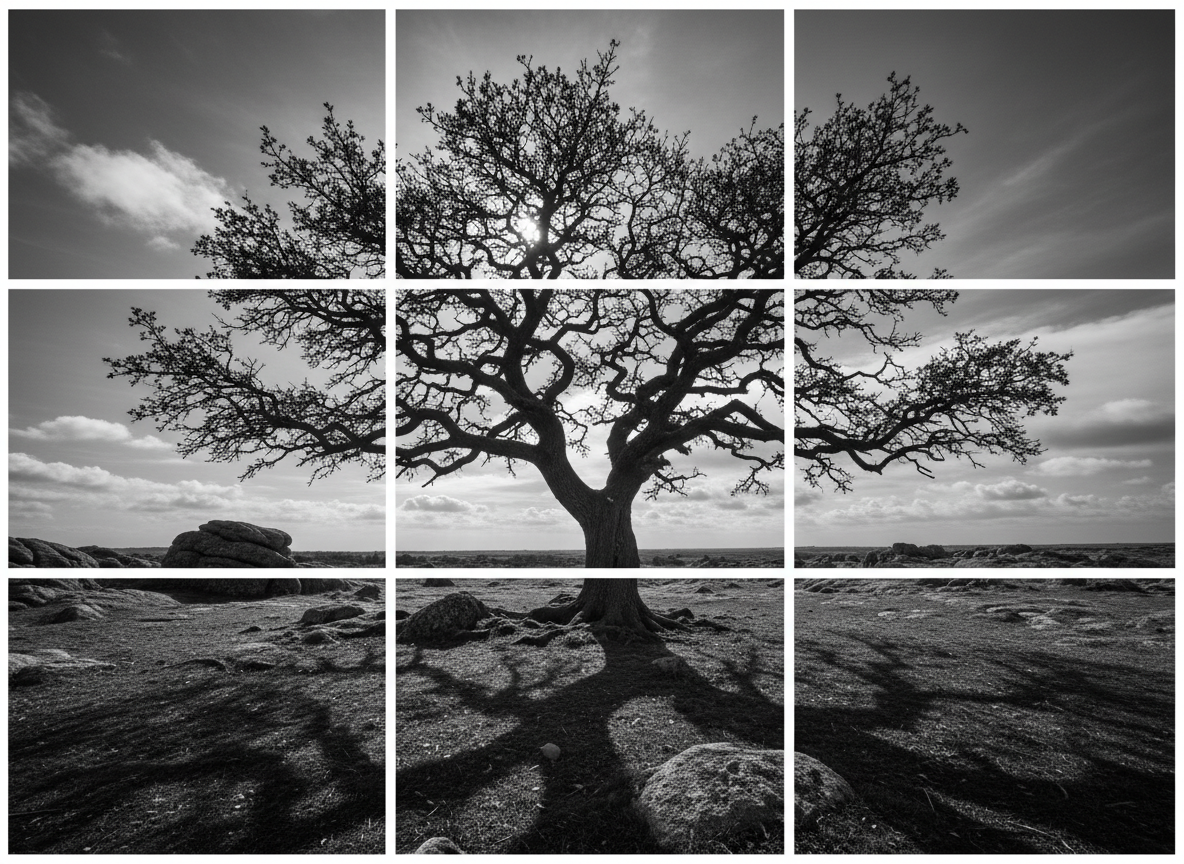
1. Rule of Thirds
Divide your frame into three equal sections horizontally and vertically (like a tic-tac-toe grid).
Place your subject along one of the lines or at an intersection.
This creates balance and makes your photo more visually appealing.
Tip: Most cameras and phones have a grid overlay to help with this.
2. Leading Lines
Use natural lines in your scene — roads, fences, rivers, or architectural features — to draw the viewer’s eye to your subject.
Diagonal lines create a sense of depth and movement.
Curved lines can guide the eye gently through the frame.
3. Framing
Use elements within the scene to frame your subject:
Doorways, windows, tree branches, or arches
Framing adds depth and draws attention to your subject naturally
4. Symmetry and Patterns
Symmetry creates a sense of harmony and order
Repeated patterns (tiles, bricks, windows) create visual interest
Breaking symmetry deliberately can also create a focal point or a dynamic image.
5. Negative Space
Negative space is the empty area around your subject.
It prevents your photo from feeling cluttered
It emphasizes the subject and creates a sense of simplicity and calm
Tip: Less is often more.
6. Depth and Layers
Adding foreground, middle ground, and background elements gives your photos a sense of three-dimensional depth.
Include objects close to the camera
Position your subject in the middle
Capture the background for context
This makes landscapes and cityscapes feel more immersive.
7. Perspective and Angles
Don’t just shoot at eye level — try:
High angles
Low angles
Side views
Changing perspective can turn a mundane scene into something striking
8. Cropping and Framing Later
Think about the edges of your frame before you shoot
Avoid cutting off limbs or key parts of your subject awkwardly
Leave room “to breathe” around your main element
9. Practical Tips for Beginners
Take multiple shots, experimenting with different rules
Step back or move closer to change perspective
Combine techniques — e.g., leading lines + rule of thirds + negative space
Review your images critically to see what works
Final Thought
Composition is about guiding the viewer’s eye and creating balance. You don’t need fancy equipment — just awareness of these techniques.
Start practicing one rule at a time, and your photos will improve almost immediately.
Composition Cheat Sheet for Beginners
Here’s a clear and practical Composition Cheat Sheet for beginners - easy to reference while shooting.
1. Rule of Thirds
Divide your frame into 3x3 grid
Place subject on lines or intersections
Creates balance and visual interest
Tip: Most cameras/phones have a grid overlay
2. Leading Lines
Use natural lines: roads, rivers, fences, architecture
Lines should lead the viewer’s eye to your subject
Diagonal or curved lines add depth
3. Framing
Use objects in the scene to frame your subject:
Windows
Doorways
Branches or arches
Adds depth and draws focus
4. Symmetry & Patterns
Symmetry = sense of harmony
Patterns = visual interest
Breaking symmetry can highlight a subject
5. Negative Space
Leave empty space around your subject
Helps your subject stand out
Creates a clean, uncluttered look
6. Depth & Layers
Include:
Foreground objects
Middle ground (main subject)
Background context
Makes photos feel 3-dimensional
7. Perspective & Angles
Try different viewpoints:
Low angle → makes subject look larger
High angle → gives context
Side/diagonal → adds interest
Step closer or farther for variation
8. Cropping & Framing Later
Avoid awkward cuts of limbs or key objects
Leave breathing room around the subject
Consider tight vs. loose composition
9. Practical Shooting Tips
Combine techniques: e.g., rule of thirds + leading lines
Move your feet to change perspective
Take multiple shots
Review and learn what works
This cheat sheet helps you quickly check composition while shooting — no need to memorize everything at once.