
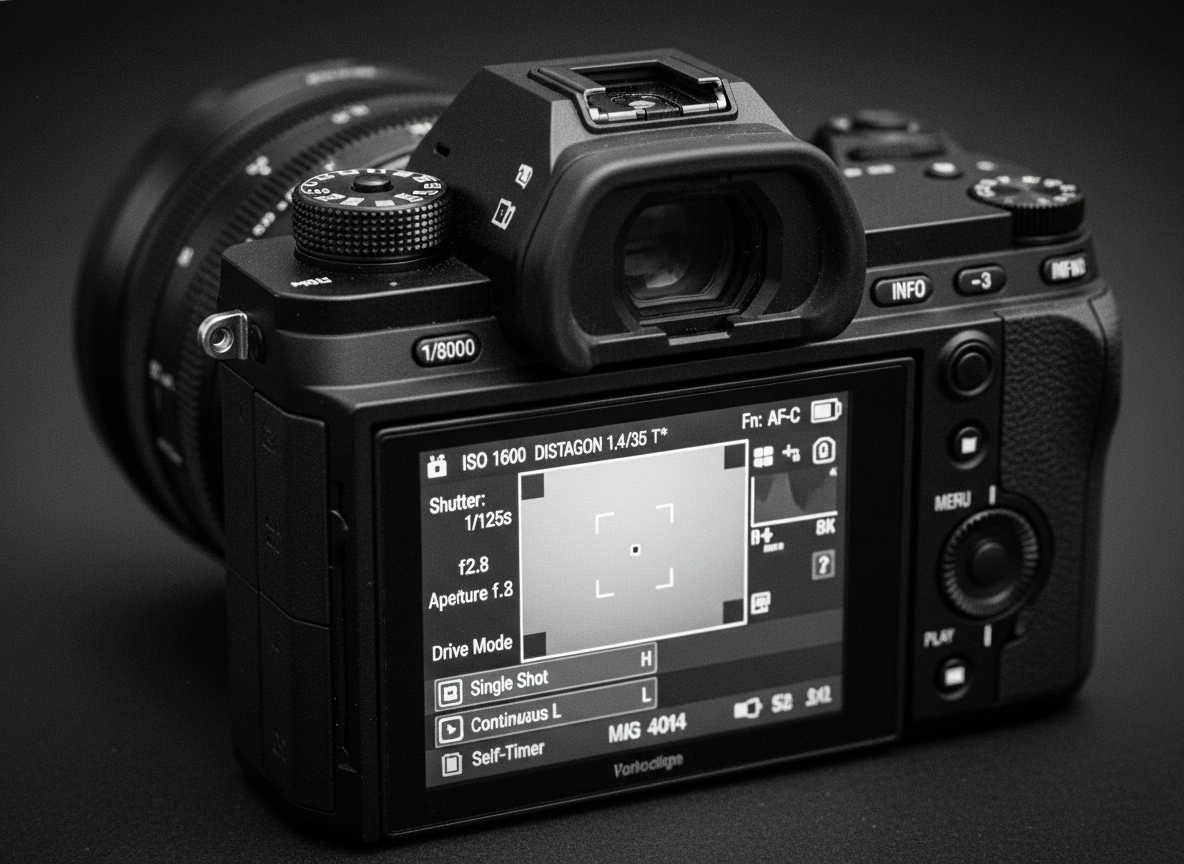
Camera Settings for Different Situations
Knowing your camera settings is one thing — knowing which settings to use in real-life situations is where beginners often get stuck. Here’s a practical guide to help you capture the right exposure and creative effect in different lighting and scenarios.
1. Bright Daylight
ISO: 100–200 (low to avoid noise)
Aperture: f/5.6–f/11 for landscapes, f/2.8–f/4 for portraits
Shutter Speed: 1/125–1/500 for still subjects, faster (1/1000+) for action
Tips:
Watch for harsh shadows; consider shooting in the golden hour for softer light.
Use a polarizing filter if photographing skies or water to reduce glare.
2. Indoors / Low Light
ISO: 400–1600 (increase as needed, but watch for noise)
Aperture: f/1.8–f/4 to let in more light
Shutter Speed: 1/60 or faster to avoid camera shake (tripod recommended if slower)
Tips:
Use window light wherever possible.
A tripod allows slower shutter speeds without blur.
Avoid relying on the built-in flash; it often looks harsh.
3. Moving Subjects / Action
ISO: 200–800 (depending on light)
Aperture: f/4–f/8 for more depth of field
Shutter Speed: 1/500+ for moderate movement, 1/1000–1/2000 for fast action
Tips:
Use continuous autofocus mode if available.
Anticipate movement — frame ahead of your subject for better composition.
4. Portraits
ISO: 100–400 (adjust for light)
Aperture: f/1.8–f/4 for blurred backgrounds
Shutter Speed: 1/125 or faster to avoid blur
Tips:
Position your subject near natural light for flattering tones.
Experiment with side lighting for depth and dimension.
Use a longer focal length (50–85mm) for natural perspective and flattering proportions.
5. Landscapes
ISO: 100–200
Aperture: f/8–f/16 for maximum sharpness
Shutter Speed: Adjust for exposure; use tripod if shutter speed is slow
Tips:
Focus roughly one-third into the scene for maximum depth of field.
Include foreground elements to create layers and depth.
Shoot during golden hour for warm, soft light.
6. Night / Low Light Outdoors
ISO: 800–3200 depending on light
Aperture: f/1.8–f/4
Shutter Speed: Slow shutter (use tripod to prevent blur)
Tips:
Use a remote shutter release or self-timer to reduce shake.
Capture motion blur creatively (car lights, moving people).
Shoot in RAW to adjust exposure and white balance during editing.
7. Quick Reference Table
SituationISOApertureShutter SpeedNotesBright Daylight100–200f/5.6–f/111/125–1/500Avoid harsh shadowsIndoors / Low Light400–1600f/1.8–f/41/60+Use window light or tripodAction / Moving Subjects200–800f/4–f/81/500–1/2000Continuous autofocusPortraits100–400f/1.8–f/41/125+Soft natural lightLandscapes100–200f/8–f/16Adjust for exposureTripod recommendedNight / Low Light800–3200f/1.8–f/4Slow shutterUse tripod / RAW
Final Thoughts
There is no single “perfect” setting — photography is about adapting to the situation. Use this as a starting point, then review your images and adjust. Over time, changing ISO, aperture, and shutter speed will become second nature, giving you both technical control and creative freedom