
Beginner Gear Guide (Without Overspending)
Getting started in photography doesn’t mean spending a fortune. In fact, understanding what gear you really need will save money and frustration. This guide highlights essential equipment for beginners, focusing on practicality and value.
1. Choosing the Right Camera
You don’t need the latest high-end model to take great photos. For beginners:
DSLR vs Mirrorless
DSLR
Optical viewfinder
Often slightly larger/heavier
Reliable battery life
Mirrorless
Electronic viewfinder
Compact and lightweight
Growing range of lenses
Tip: Choose the system that feels comfortable in your hands — ergonomics matter more than specs.
Entry-Level Recommendations
DSLR: Canon EOS 250D / Nikon D3500
Mirrorless: Sony A6000 / Canon EOS M50
All produce excellent quality for beginners and allow lens upgrades later.
2. Lens Basics
Your lens has more impact on image quality than the camera body.
Starter Lenses
Kit Lens (18–55mm) – Versatile for everyday shooting
Prime Lens (35mm or 50mm f/1.8) – Affordable, sharp, and great for portraits with blurred backgrounds
Tip: Avoid buying multiple lenses at first. Master one lens before investing in more.
3. Essential Accessories
Tripod
Useful for low-light, landscapes, and long exposures
Beginners can start with a lightweight, sturdy tripod
Memory Cards
Use reputable brands (SanDisk, Lexar)
Have at least 32GB or larger
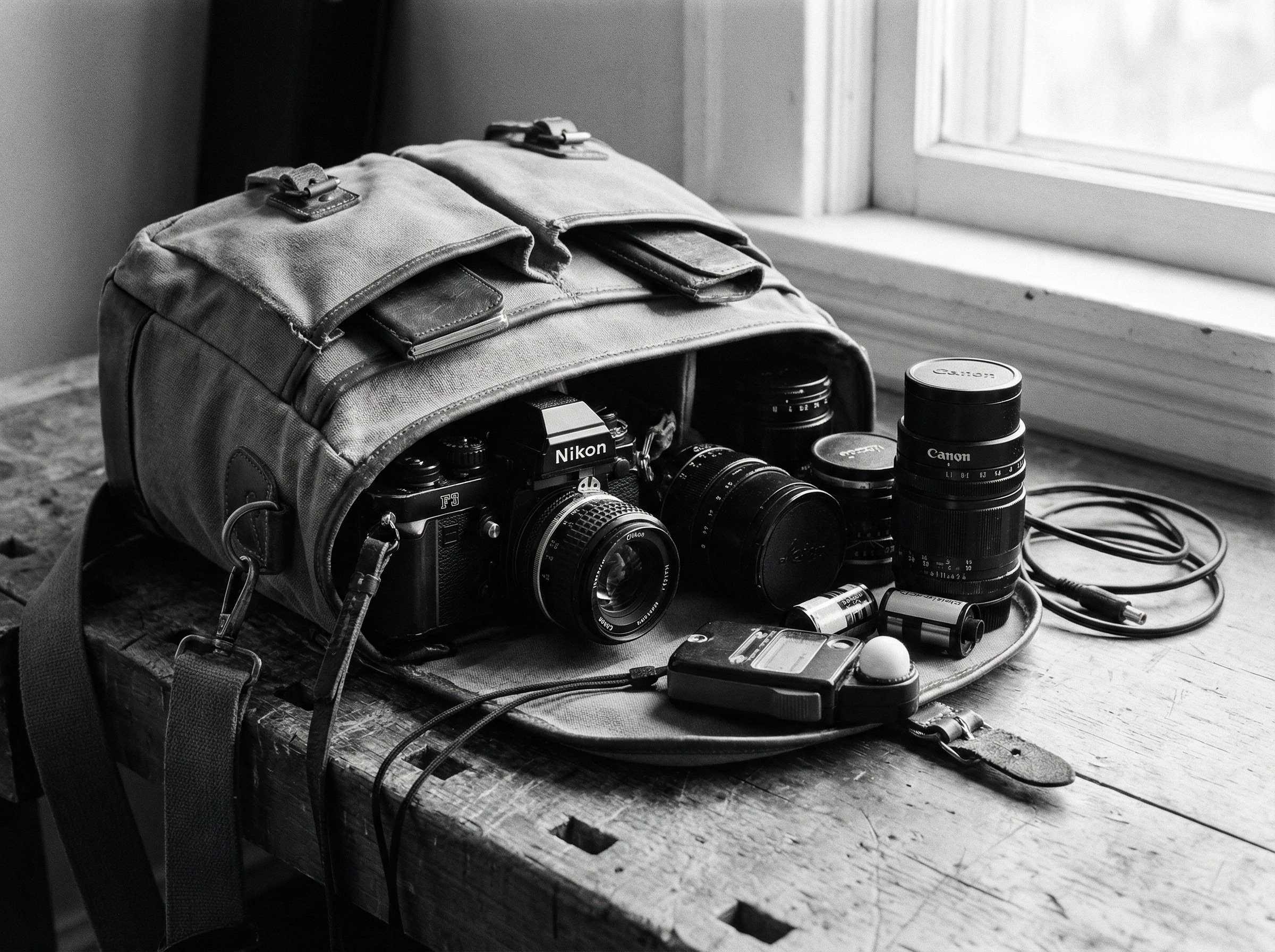
Camera Bag
Protects your gear
Keep it light and practical
Filters (Optional)
Polarizing filter for skies and water
Neutral density (ND) filter for long exposures
4. Optional Extras for Beginners
Remote shutter release → Useful for tripod work
Cleaning kit → Keeps lenses and sensor dust-free
Reflector → Inexpensive way to manipulate natural light
5. Avoid Overspending
Focus on learning fundamentals first — your skills matter more than your gear.
Avoid “upgrading” too quickly — many beginners buy expensive cameras they don’t fully utilize.
Consider buying used or refurbished gear from reputable sources to save money.
6. Recommended Starter Kit
For a balanced beginner setup:
Camera: Entry-level DSLR or mirrorless
Lens: Kit lens + optional 50mm prime
Tripod: Lightweight, sturdy
Memory card: 32–64GB
Camera bag and cleaning kit
This setup covers portraits, landscapes, travel, and everyday photography — without overspending.
Final Thought
Photography is about seeing, not spending. With a simple, practical kit, you can focus on mastering light, composition, and creativity. Once your skills grow, you can expand your gear naturally — but for beginners, less is more.