
A Simple Guide to Paints and Finishes for the Home
Choosing the right paint or finish can transform a space just as much as colour or furniture. From walls and floors to up-cycled pieces, understanding the different types of paints, stains, and protective finishes helps create interiors that feel thoughtful, practical, and personal. This guide explores the options, along with simple preparation tips and advice for working with vintage furniture
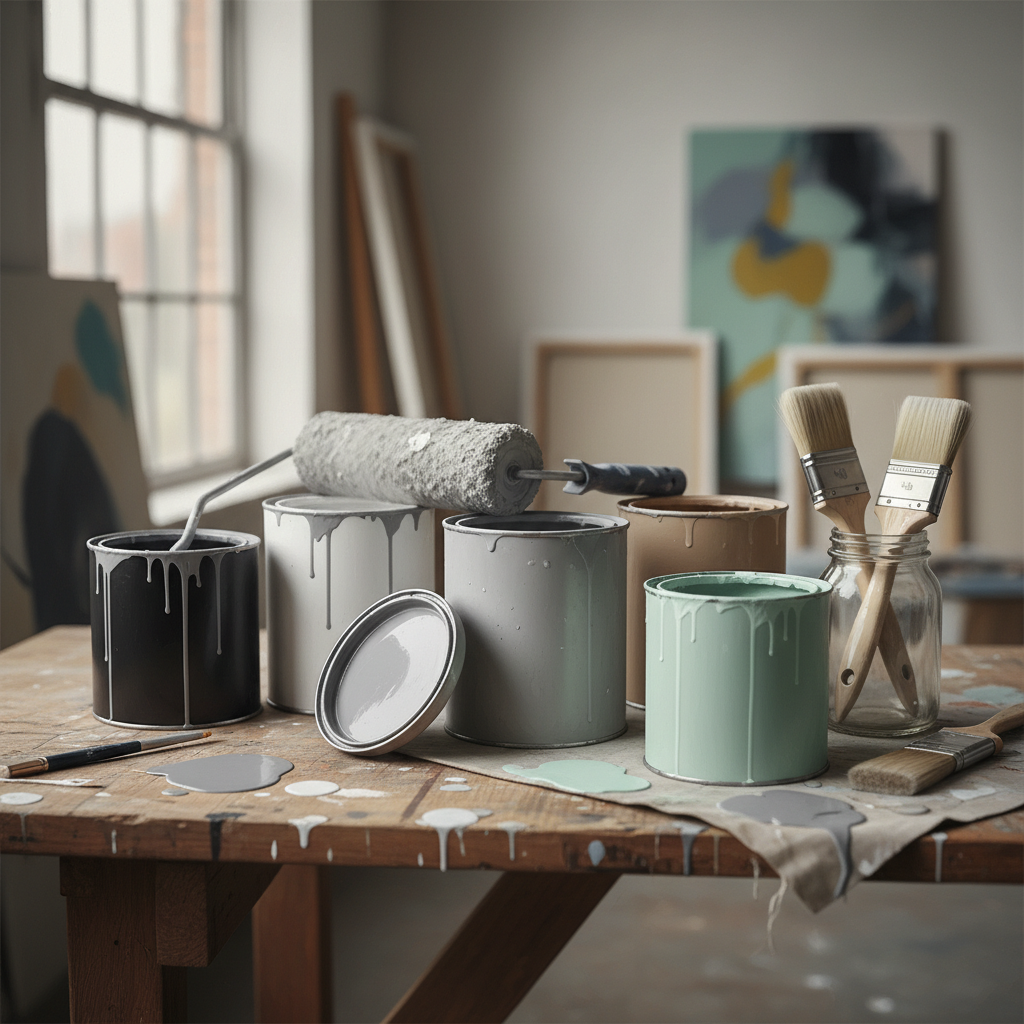
Wall Paints
Matte / Flat Paint – Soft and non-reflective, ideal for living rooms and bedrooms. Best used where durability is less of a concern.
Eggshell Paint – Slightly more durable than matte with a gentle sheen, suitable for areas that need occasional cleaning.
Satin Paint – Smooth and practical, making it ideal for kitchens, hallways, and busy family spaces.
Floor Paints
Specialist Floor Paint – Designed to withstand foot traffic and wear. Suitable for wooden, concrete, or stone floors.
Concrete & Masonry Paint – Hard-wearing and breathable, ideal for utility rooms or industrial-style interiors.
Furniture Paints
Chalk Paint – A popular choice for up-cycling furniture, offering a soft matte finish with little preparation required.
Eggshell Paint – A classic option for furniture, offering a balance between a soft finish and easy maintenance.
Satin Paint – Ideal for high-use pieces such as tables, chairs, and cupboards where durability matters.
Spray Paint – Best for metal furniture, rattan, or intricate detailing where an even finish is key.
Protective Finishes
Varnish – Adds long-lasting protection and is available in matte, satin, or gloss finishes.
Wax – Creates a soft, natural finish, best for decorative or low-use furniture.
Sealers – Used to protect chalk and mineral paints while maintaining a matte appearance.
Wood Finishes
Wood Stains – Enhance the grain while adding warmth or depth of colour.
Clear Lacquer – Protects wood without altering its natural tone.
Preparation Tips for Painting Furniture
Clean thoroughly – Remove dirt, wax, grease, and polish using sugar soap or a mild degreaser.
Lightly sand – Key the surface to help paint adhere, especially on varnished or glossy furniture.
Repair first – Fill small cracks or holes and allow to dry before sanding smooth.
Prime when needed – Use a primer for very dark finishes, bare wood, or surfaces prone to bleed-through.
Remove hardware – Take off handles and hinges for a cleaner, more professional finish.
Best Finishes for Vintage Furniture
Chalk or Mineral Paint – Ideal for preserving character and texture, perfect for pieces with age and detail.
Eggshell Paint – Great for traditional vintage pieces that need durability without a modern shine.
Waxed Finish – Enhances patina and keeps a soft, timeworn look.
Stained Wood with Sealer – Perfect when the natural grain and history of the piece deserve to be showcased.
Important:
Always take time to read the instructions and guidance provided on the tin before starting any painting project. Each paint and finish behaves differently, with specific recommendations for preparation, application, drying times, and safety. When working with unfamiliar products or surfaces, don’t hesitate to seek advice from professionals — whether in-store specialists or experienced decorators — to ensure the best results. Careful preparation and informed choices not only improve the finish but also help your project last beautifully over time.